
Drive trends 2024-2025: real opportunities for Quebec SMEs
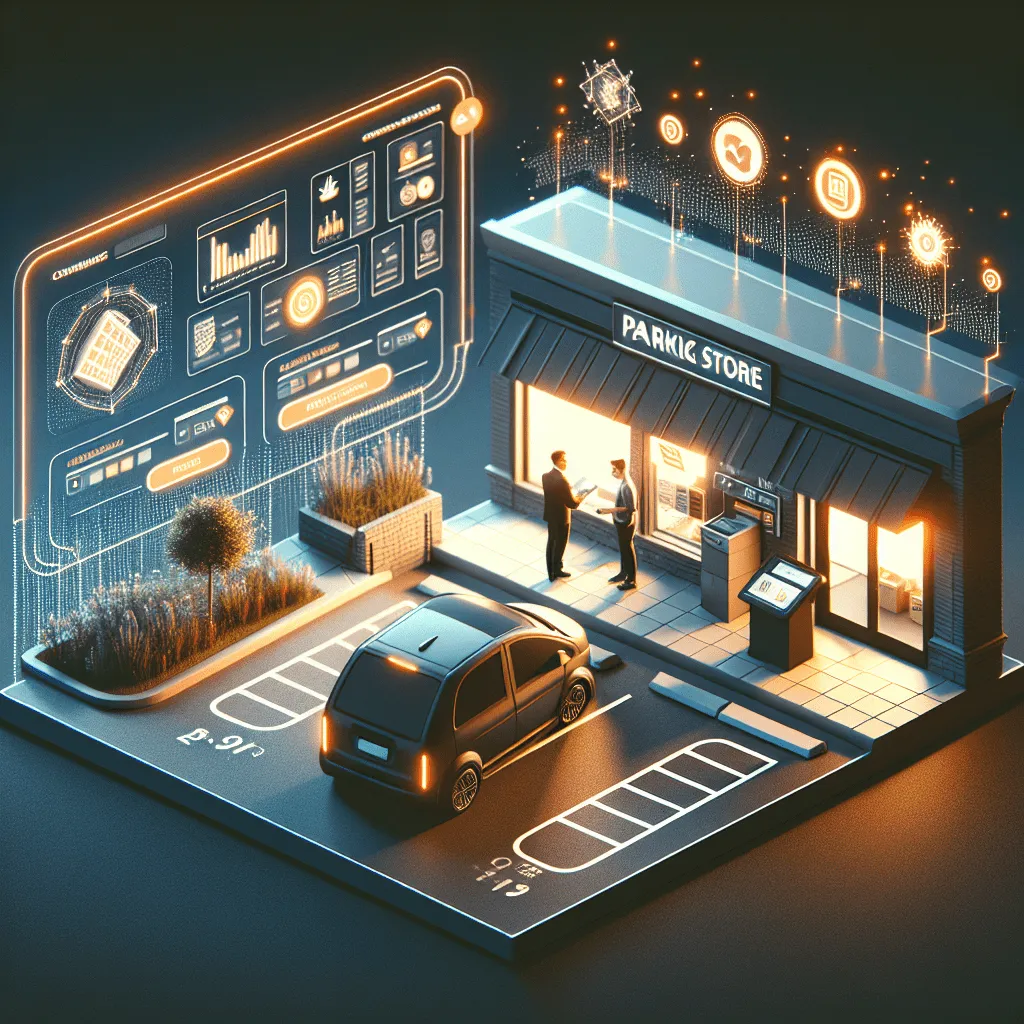
The “drive” – often referred to as click & collect, online ordering with in-store or drive-thru pick-up – is no longer the preserve of large grocery banners. Since the pandemic, the shopping habits of Quebec consumers have changed profoundly, and demand for hybrid options (online purchase, quick on-site pick-up) continues to grow. According to CEFRIO and updates relayed by the Ministère de l’Économie, the proportion of Quebecers making online purchases has risen steadily since 2020, and studies by Accenture and McKinsey indicate that over 60% of North American customers want to retain click & collect solutions even after the health crisis. At the same time, Statistics Canada shows that online retailing in Canada now exceeds 4% of total sales, with particularly strong growth in food and convenience goods. For Quebec SMEs, these drive trends represent a twofold opportunity: to increase local sales without multiplying delivery costs, and to offer a modern, fluid customer experience that is competitive with the giants.
1. Why the drive is becoming essential for Quebec SMEs
The drive has established itself as a sales channel in its own right. According to Statistics Canada, domestic retail e-commerce sales almost doubled between 2019 and 2023, peaking during the pandemic and stabilizing at a level well above pre-crisis levels. North American surveys cited by McKinsey indicate that around 35% to 45% of consumers who have adopted click & collect continue to use it on a regular basis. For Quebec SMEs, these figures translate into a very concrete reality: ignoring the drive means risking losing a proportion of customers who prefer flexible purchasing options.
Several factors make the drive particularly attractive in Quebec:
- Geography and weather: whether in the regions or in the city, the ability to pick up an order quickly without spending too much time shopping, especially in winter, is a significant advantage for the customer.
- Pressure on purchasing power: consumers are comparing prices online, preparing their orders and avoiding impulse purchases. The drive facilitates this behavior while keeping the transaction in the local store.
- Competition from the big platforms: Amazon, Walmart and the big grocery banners already offer pick-up services. SMEs can remain competitive by offering a more personalized, flexible and local service.
Drive-through is not just for superstores. A restaurant can offer online ordering with pick-up at the counter or in the parking lot. A clothing store can allow customers to reserve their size online and pick up in-store the same day. An auto parts store can prepare the order in advance for local garages. With a well-designed e-commerce site and a good logistics process, even a small team can offer an efficient drive-thru service.
By 2024-2025, consumers increasingly expect the following combination: visible online inventory, simple ordering, fast confirmation, and frictionless picking. SMEs that adapt to these expectations can not only retain their existing customers, but also attract a younger clientele, accustomed to digital buying paths.
2. Key figures 2024-2025: how drive technology is evolving in Canada and Quebec
Data available in Canada and Quebec confirm that the drive is not a passing fad, but a lasting transformation in retailing. According to Statistics Canada, the monthly value of online retail sales in Canada has risen from around $2 billion at the height of the pandemic to over $3 billion on average in 2023, stabilizing e-commerce at around 4% to 6% of total sales, depending on the sector. A significant proportion of these sales are linked to hybrid models, such as click & collect and in-store pick-up, which reduce logistics costs for retailers.
On the behavioural side, several North American studies, cited by Accenture in particular, show that :
- Over 60% of consumers who used click & collect during the pandemic would like to continue using it.
- Some 30% to 40% of online orders in certain categories (groceries, drugstore products, foodservice) involve pick-up rather than delivery.
- Customers who use the drive often have an average basket 5% to 20% higher than spontaneous in-store purchases, because they plan ahead.
In Quebec, reports from organizations such as MEIE’s Observatoire du commerce de détail highlight the continuing rise of local online shopping, and the importance of offering pick-up options to remain competitive with international giants. For an SME, these trends mean that the drive can become a profitable growth lever: you enjoy the benefits of e-commerce without assuming all the costs of large-scale home delivery.
In concrete terms, an SME that implements an effective drive system can :
- Increase sales by capturing customers who are in a hurry or reluctant to store in person.
- Reduce delivery costs by transferring the last stage of transport to the customer, while keeping the transaction within its own ecosystem.
- Improve inventory management through greater online visibility and integration with CRM and sales management systems.
- Collect customer data (e-mail, purchase history, preferences) that can then be used for personalized marketing and recurring campaigns.
The figures make one thing clear: the simpler and more accessible online ordering and pick-up options are, the more consumers adopt them. Quebec SMEs that equip themselves now are positioning themselves to take full advantage of this growth in 2024-2025, rather than suffer it.
3. Setting up a high-performance drive service: technology, AI and CRM
To transform these drive trends into real opportunities, technology plays a central role. It’s no longer enough to display a phone number to “pre-order”. Consumers expect a seamless experience, similar to that of the big platforms, but with a local human touch. The good news: thanks to digital tools, even an SME can offer a top-notch customer journey.
The key elements of a high-performance drive are :
- A clear, modern website: your site should clearly present products, prices, availability and pick-up options. A professional website design optimizes not only your brand image, but also your search engine optimization (SEO) so that your customers can find you easily.
- An integrated online store: a well-structured e-commerce site allows customers to choose their pick-up point, time slot and preferences (online or on-site payment). Modern platforms also facilitate inventory and order management.
- A CRM to centralize information: with a good CRM management system, you centralize customer data, order history and communications. This enables you to issue automated reminders, personalized offers and better manage after-sales service.
Artificial intelligence is also an increasingly accessible lever. For example, an AI-based virtual assistant or chatbot can :
- Automatically answer frequently asked questions about pick-up times, lead times and available products.
- Assist customers with their online orders (suggest additional products, check quantities).
- Reduce the pressure on your team by filtering out the simplest requests.
On an operational level, the internal organization must follow :
- Define an order preparation process: who prepares orders, where they are stored, how to validate quality before delivery to the customer.
- Provide dedicated pick-up areas: reserved counter, lockers, identified parking area.
- Establish clear communication with customers: confirmation email or SMS, pick-up instructions, safety or conservation reminders (especially for fresh and frozen products).
SMEs that invest in this combination of website, e-commerce, CRM and AI can not only manage a growing volume of drive orders, but also offer a differentiating customer experience, with personalized follow-up that the big chains sometimes struggle to match.
4. How a Quebec SME can benefit from the drive in 6 steps
Setting up a profitable drive-thru service doesn’t happen overnight, but it is possible to progress step by step, without blowing the costs. Here’s a concrete action plan for a Quebec SME.
1. Analyze your current customer base
Start by observing your customers: where do they come from? What products do they buy regularly? At what times of the day or week are they most present? This analysis will help you define the relevant time slots for pick-up and the product categories to prioritize for the drive.
2. Clarify your drive offer
Decide on the following:
- Types of products available to order online (all or selected).
- Minimum time between order and pick-up.
- Pick-up times.
- Order cancellation and modification policies.
Document this information on your site to avoid confusion and reduce repetitive questions.
3. Optimize your online presence
Make sure your site is up-to-date, responsive (mobile-friendly) and optimized for Google. Create a page dedicated to the drive service, with a clear explanation of how it works and a call to action leading to your online ordering module. A strategic web redesign can be an excellent investment to make this journey smoother.
4. Set up or improve your e-commerce
If you don’t yet have an online store, now’s the time to do so. If you already have one, check that :
- The “pick-up on site” or “drive” option is clearly offered at the time of payment.
- Fees (if any) are transparent to the customer.
- Confirmation emails include precise address, times and pick-up procedure.
An e-commerce solution tailored to small and medium-sized businesses allows you to get started quickly, while leaving room for growth.
5. Integrate a CRM and, if necessary, an AI chatbot
A well-configured CRM enables you to track orders, follow up inactive customers and segment your customer base (regular customers, drive customers, businesses, etc.). Adding a chatbot or AI assistant to your site can also help you answer drive questions 24/7, while gathering relevant information (email, phone number, specific needs).
6. Communicate and measure results
Once the drive-thru service has been launched, spread the word: in-store signage, newsletter, social networks, Google Business Profile. Invite your existing customers to try it out with an introductory offer (discount, bonus product, loyalty program). Then measure :
- Number of drive orders per week.
- Average drive vs. in-store basket.
- Drive customer repurchase rate.
- Satisfaction (via simple surveys or online reviews).
By continually adjusting your processes and communication, you’ll make drive a sustainable sales channel, aligned with new buying habits in Quebec for 2024-2025.
Conclusion: turn the drive trend into a competitive advantage with Nuaweb
Drive-thru trends in Quebec and Canada clearly show that consumers want the best of both worlds: the simplicity of online ordering and the speed of local pick-up. For Quebec SMEs, it’s a chance to stand out from the crowd, to win the loyalty of a clientele that’s in a hurry but attached to local commerce, and to increase sales without exploding delivery costs.
By combining a high-performance website, an adapted online store, a solid CRM and AI tools like chatbots, you can offer a drive experience that rivals that of the big players, while retaining your human and local touch. Nuaweb is already supporting local companies in this digital transition: website creation, e-commerce integration, CRM solutions and customized AI tools.
Would you like to evaluate the potential of drive for your company, or optimize an existing service? Book a free consultation with the Nuaweb team to analyze your needs and objectives, and build a digital strategy tailored to your reality as a Quebec SME.